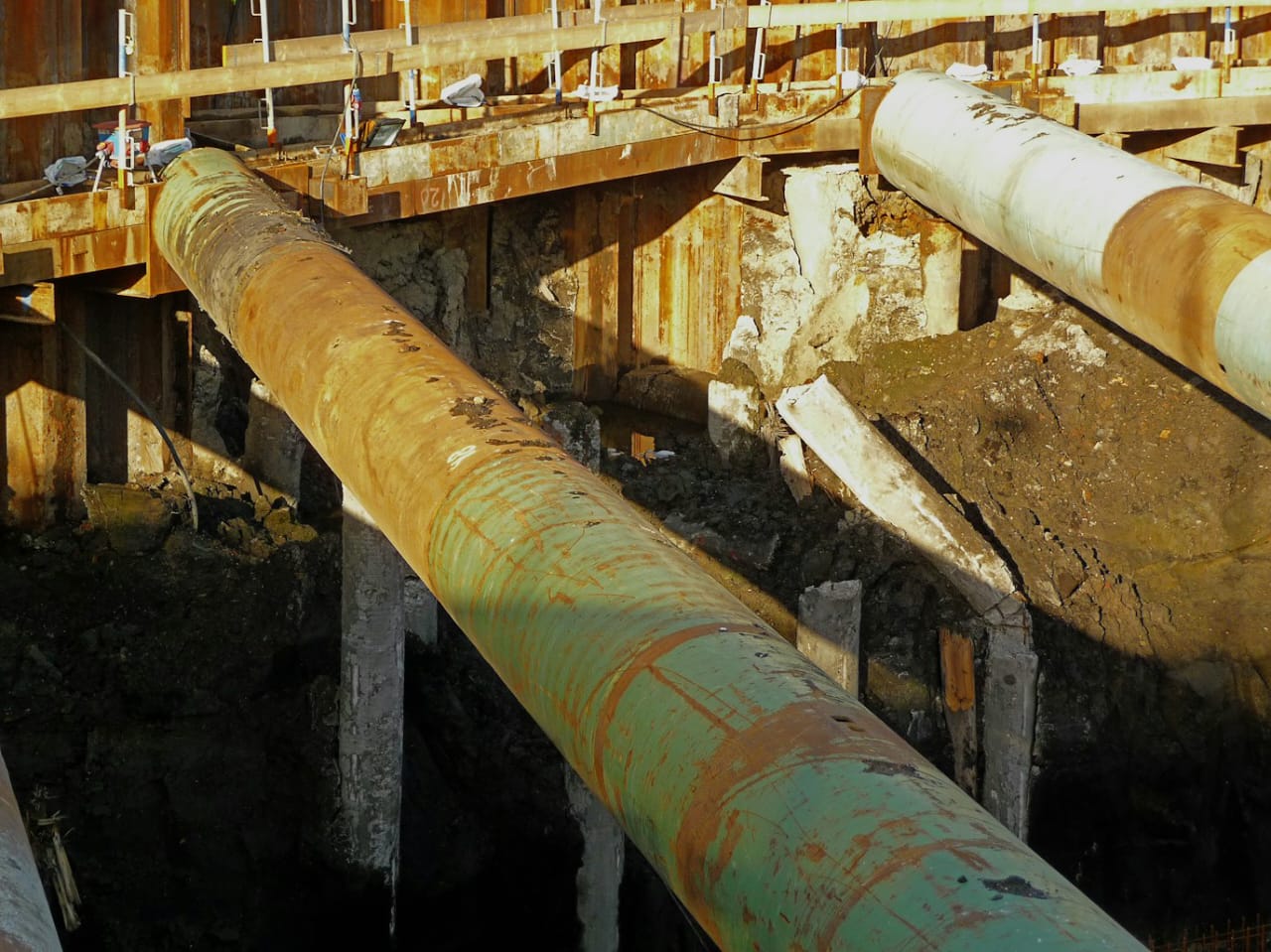
Africa’s oil and gas sector is once again attracting global attention. From renewed upstream licensing rounds to frontier exploration success stories, the continent is positioning itself as a critical contributor to future global supply. However, for many of Africa’s top oil producers, the constraint isn't what lies beneath the earth, it is what happens above it. While the world focuses on the energy transition, security vulnerabilities and infrastructure fragility are the primary factors that increasingly determine whether hydrocarbons in the ground ever make it to market.
Nigeria: Pipeline Vandalism and Systemic Losses
Nigeria holds Africa's largest proven oil reserves and has long anchored the continent's export profile. Yet in the Niger Delta pipeline network, the arterial infrastructure connecting wellheads to export terminals operates under persistent threat. Systematic theft and sabotage in the Niger Delta do more than just spill crude; they force operators to declare force majeure and shut down critical trunklines like the Nembe Creek and Trans-Forcados. Reported incidents of vandalism routinely number in the thousands annually, and the gap between what Nigeria should produce and what reaches the export terminal is, by some estimates, one of the most severe infrastructure-to-output differentials of any major producing nation.
Structural interventions, including pipeline surveillance programmes and community benefit-sharing agreements, have shown partial effectiveness. But the incentive structure remains deeply imbalanced. The rewards of bunkering are immediate and substantial and until that imbalance shifts, Nigeria's true productive capacity will remain a theoretical upper bound rather than an operational reality.
Libya: Political Volatility and Supply Disruptions
Libya's above-ground risk profile is structurally different from Nigeria's, and in some respects more persistent. Libya holds some of the largest proven oil reserves in Africa and has the technical capacity to sustain high production levels. However, political instability and factional control over oil infrastructure continue to disrupt operations. Key risk factors include:
? Blockades of export terminals and fields
? Militia control of strategic assets
? Sudden policy shifts linked to governance disputes
Production in Libya is therefore highly volatile, often swinging sharply within short timeframes depending on the security situation. For global markets, Libyan crude represents unpredictable supply. For investors, it reflects a high-risk, high-reward environment where above-ground dynamics outweigh subsurface certainty.
What This Means for the Production Outlook
Taken together, Nigeria and Libya reflect a broader, recurring pattern across African producing markets, from Sudan to the Republic of the Congo and even into Mozambique’s emerging LNG sector. For portfolio managers and sovereign energy planners, these persistent operational risks require a fundamental methodological shift. Production outlooks built solely on technical decline curves, development timelines, and capital deployment assumptions tend to be structurally optimistic.