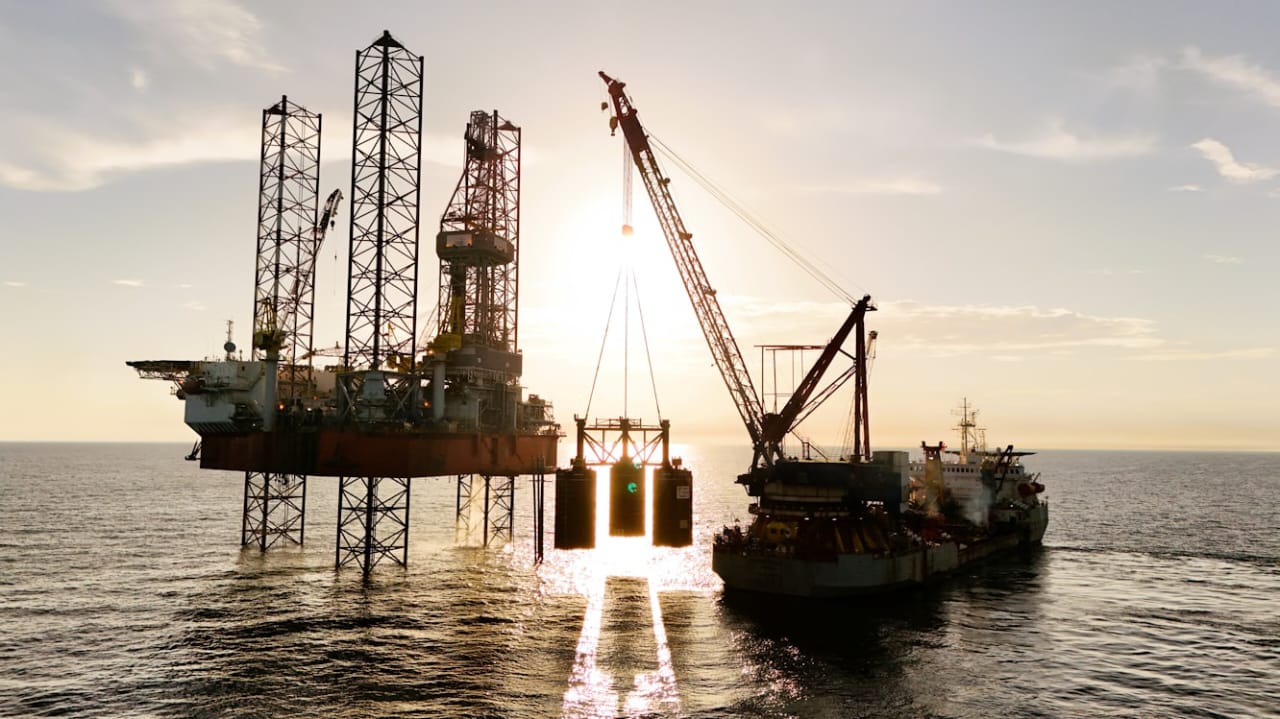

Machine learning is reshaping predictive maintenance in upstream oil and gas by turning continuous sensor signals from rigs, pumps, compressors, and well-site equipment into early warnings. Instead of relying only on calendar-based inspections, operators can use vibration, pressure, flow, temperature, and acoustic data to detect abnormal behavior before a failure causes downtime. Two core techniques are anomaly detection, which flags deviations from normal operating patterns, and time-series forecasting, which estimates degradation trends and remaining useful life for critical assets.
The business case is strong. Better prediction helps maintenance teams schedule work during planned windows, reduce unplanned shutdowns, optimize spare-parts inventory, and avoid secondary equipment damage. Industry platforms also highlight gains in alert accuracy as models learn from operating history and technician feedback. For upstream operations, that can translate into higher equipment availability, lower maintenance spend, and safer field execution.

The main challenges are practical rather than theoretical. Data quality is often uneven because sensors drift, tags are inconsistent, and failure labels are incomplete. Integration is also hard: many operators must connect modern analytics pipelines to SCADA historians, CMMS tools, and other legacy systems. Successful programs usually start with one high-value asset class, build trusted data pipelines, and expand once alerts are reliable enough for maintenance teams to act on.


Chart 2. Illustrative bar chart comparing maintenance costs: traditional vs predictive.