For decades, Senegal has faced a familiar pattern of abundant natural resources existing alongside widespread energy poverty. Despite strong economic growth and rising urbanization, large sections of the country have continued to struggle with unreliable electricity, high power tariffs, industrial energy shortages, and dependence on imported fuel oil for thermal generation.
Senegal’s Yakaar-Teranga project represents a fundamental structural break from this paradigm. Located in the Cayar Offshore Profond block, approximately 95 kilometers northwest of Dakar, the field holds an estimated 25 trillion cubic feet (Tcf) of stranded, gas-only reserves. Following the restructuring of operator equity, which saw state-owned utility Petrosen increase its stake to 34% alongside operator Kosmos Energy, the government officially locked in a domestic-first mandate.
The Core Infrastructure Vision
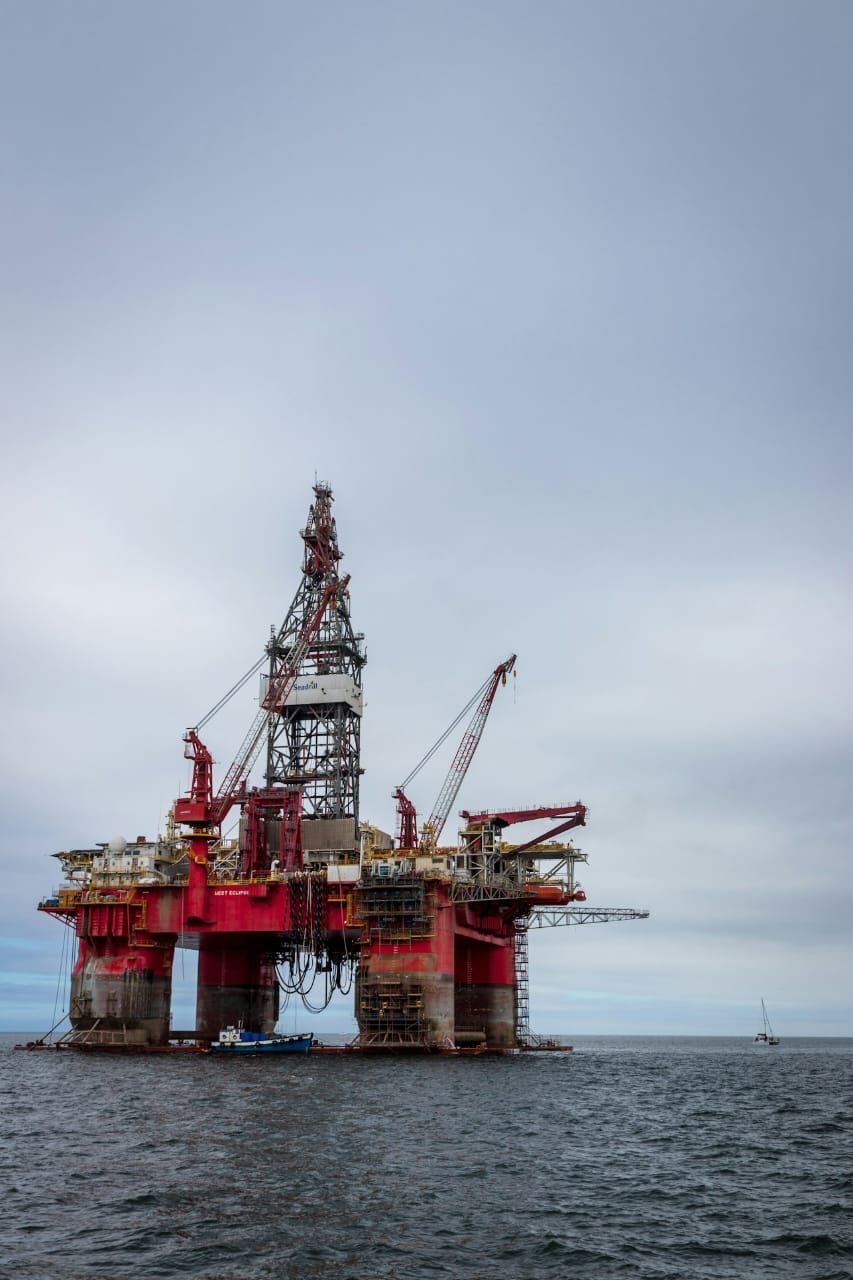
What makes Yakaar-Teranga strategically significant is not just the size of the gas reserves, but the infrastructure model attached to the project. The proposed development concept includes:
? Offshore gas production facilities
? Subsea gathering systems
? Dedicated pipelines transporting gas directly to Senegal’s coastline
? Onshore gas processing and transmission infrastructure
? Gas supply to domestic power plants and industrial users
? Floating LNG infrastructure for surplus export volumes
According to project concepts disclosed by Kosmos Energy, the field could initially produce approximately 550 million standard cubic feet per day (MMscfd), with a substantial share dedicated to Senegal’s domestic market.
The $7.5B infrastructure plan
Petrosen's development vision is structured in two distinct phases each serving a different economic objective plus one critical enabling infrastructure project that is already under construction.
? $2.5B Phase 1(Domestic gas supply)
Targets 300 MMscf/d directed exclusively to the domestic market for electricity generation. Requires deepwater production infrastructure, gas pipeline to shore, and integration with SENELEC's gas-fired plants including the 335 MW Bel Air refurbishment and a new 366 MW CCGT facility. FID targeted for December 2026; first gas cited as January 2029, a timeline most analysts view as highly optimistic.
? $5.0BPhase 2 (Industrial transformation)
The downstream industrialisation programme: gas feeds fertilizer production (reducing agricultural import dependency), petrochemical plants, steel manufacturing, and cement capacity. Phase 2 converts Yakaar-Teranga from an energy asset into an industrial policy instrument but requires Phase 1 to be operating and substantial additional financing beyond Petrosen's current means.
? $1.15B (National gas pipeline)
Built by state-owned Réseau Gazier du Sénégal (RGS), the ~400 km network connects offshore gas from GTA and Yakaar-Teranga to power plants, industrial zones, and urban areas. Five segments: an 85 km "north" line linking the GTA hub to Gandon power plant; a 99 km "blue" segment from Mboro to Cap des Biches; a 45 km "orange" segment from Sendou to Malicounda; a 17 km "red" segment; and a 110 km "green" interconnector.
|
Infrastructure Component |
Technical / Operational Specification |
Primary Economic Target |
|
Offshore Floating Unit (FPU) |
Optimized for gas-liquids separation at high pressures |
Raw resource extraction and stabilization |
|
Subsea Trunkline (95km) |
High-throughput, corrosion-resistant dry gas conduit |
Direct deepwater-to-shore transmission bypassing LNG hubs |
|
Ndiass Onshore Hub |
Central processing facility and distribution gate station |
Feeding the Dakar-Mbour-Thiès economic triangle |
|
RGS Distribution Pipeline |
Multi-phased domestic transmission network |
Displacing heavy fuel oils at regional power generation plants |
Risks
Despite the immense structural upside, execution risks remain non-trivial. Capital allocation is the foremost hurdle. Raising $7.5 billion in an international financing environment increasingly hostile to fossil fuel investments requires meticulous structuring.
Furthermore, midstream infrastructure execution requires seamless collaboration between international operators, domestic state companies, and regional regulators. Delays in building out the RGS pipeline network could result in take-or-pay penalties, where the state is forced to pay for offshore gas it cannot yet transport or consume.
Conclusion
Yakaar-Teranga reflects Senegal’s broader ambition to transform offshore natural gas into a catalyst for national development rather than simply an export commodity. Through a gas-to-power strategy centered on domestic infrastructure, the project aims to strengthen energy security, reduce electricity costs, expand industrial capacity, and address long-standing energy deficits across the country. Although significant financial, technical, and regulatory challenges remain, the project has the potential to become one of Africa’s most important examples of resource-driven economic transformation.